
Probate & Estate Administration
Settling an estate is more than paperwork.
Probate is what happens after — after a parent passes, after a spouse dies, after a long illness finally ends. The legal work of settling an estate runs alongside grief, and the two are not always easy to keep separate. For five decades, our firm has helped Cape Cod families through that quiet, difficult passage with the kind of patience and continuity that this work asks for.
We represent personal representatives (the modern Massachusetts term for executors and administrators), trustees of testamentary and living trusts, and beneficiaries who simply need to understand what is happening with an estate they have a stake in. We handle the filings, the deadlines, the tax returns, and the awkward conversations between siblings — and we do it at a pace that respects both the law's demands and the family's grief.
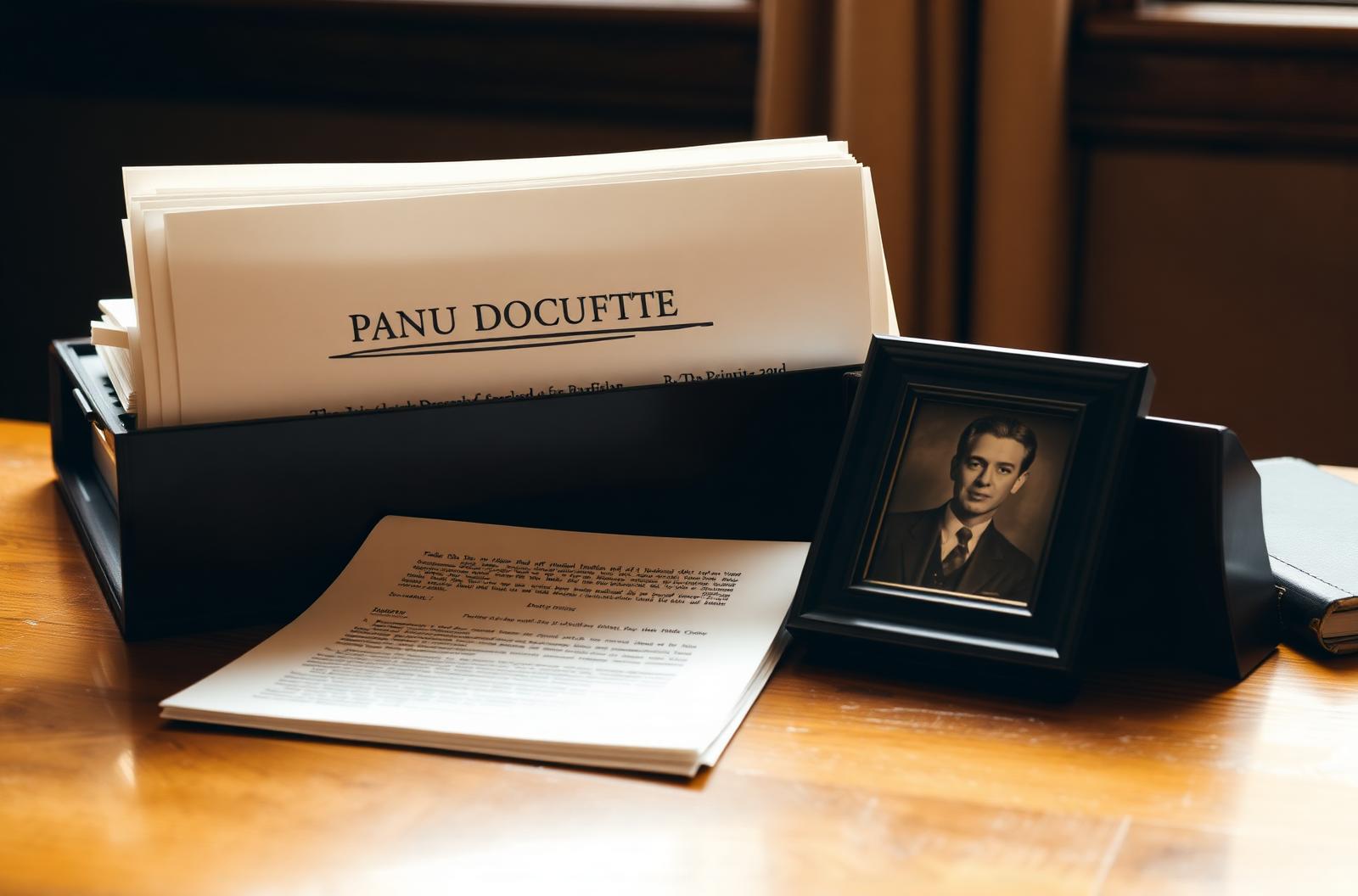
What probate actually involves.
Massachusetts probate is a court-supervised process for transferring assets from a person who has died to the people or institutions who inherit them. It begins with the filing of a petition at the Barnstable Probate and Family Court, the appointment of a personal representative, and the issuance of letters of authority — the document that gives the personal representative the legal power to act on behalf of the estate.
From there, the work unfolds in stages. We help the personal representative gather and value the estate's assets, give notice to heirs and creditors, pay legitimate debts and final expenses, handle the decedent's final income tax return, and prepare a Massachusetts estate tax return where required. When everything is in order, we prepare the final accounting, distribute what remains to the beneficiaries, and close the estate with the court.
For most estates, the process takes between nine months and two years. We tell clients early what to expect and we keep them informed as the work moves forward — no surprises, no silences.
The practical work of bringing an estate to closure.
Beyond the formal probate process, an estate usually involves a quieter set of practical tasks that simply have to be done. There are bank accounts to consolidate, insurance policies to claim, retirement accounts to roll over to the named beneficiaries, and household bills to either pay or shut off. We coordinate that work with the personal representative, the family's accountant, and financial institutions — so the family doesn't have to chase down twenty different phone numbers in the middle of grieving.
Real estate in particular requires careful handling. A Cape Cod home held in the decedent's individual name will need a probate-issued deed to transfer to the heirs or to a buyer. We prepare those transfers, work with realtors when the family chooses to sell, and ensure clean title at the Registry of Deeds. We also handle the specific Title 5 septic compliance issues that often surface when a Cape property changes hands after a death.
And when beneficiaries disagree — about a piece of jewelry, a summer house, a perceived unfairness in the will — we work to resolve the conflict quietly, mediating wherever we can and litigating only when there is no other option.

Counsel for trustees who carry real responsibility.
When a trust is created during life or springs into being at death, the named trustee inherits a serious set of fiduciary duties. They must invest prudently, account accurately, treat beneficiaries impartially, follow the trust's instructions even when they personally disagree, and avoid even the appearance of self-dealing. For the family member or close friend who suddenly finds themselves named as trustee, the role can be daunting.
We provide ongoing counsel to trustees of all kinds — testamentary trusts, revocable living trusts that have become irrevocable on the grantor's death, special needs trusts, family dynasty trusts, and charitable trusts. Our work includes onboarding new trustees, preparing the annual accountings beneficiaries are entitled to receive, coordinating with the trust's accountant on fiduciary income tax returns, and advising on discretionary distribution decisions when beneficiaries make a request.
When a trust no longer serves its original purpose — because the law has changed, or the family has changed, or the assets have changed — we advise on modifications, decanting into a new trust, or, where appropriate, judicial reformation.


We answer our own phones.
The single thing we hear most often from probate clients — usually with some surprise — is that we return calls the same day. Often within the hour. There is no answering service that takes a message and never gets back to you. There is no junior associate who needs to be brought up to speed every time you call. The attorney who opens your loved one's estate is the same attorney who closes it, and you have direct access to them throughout.
We also try, wherever possible, to take work off the family's plate. If there are forms to be filled out, we fill them out and bring them to you to sign. If there are calls to be made to the bank, the brokerage, or the insurance company, we'll make them on your behalf. The job of grieving is hard enough on its own. The paperwork should not make it harder.
Fifty years on Willow Street.
We know the Probate Court
Five decades of filing at the Barnstable Probate and Family Court means we know the procedures, the staff, and the rhythms of the local docket.
We know Massachusetts law
The Uniform Probate Code, the state estate tax, the homestead and elective share rules — each has local nuance, and we work with all of it daily.
We know the families
Probate often follows estate planning we did decades earlier. That continuity makes settlement faster, calmer, and more in keeping with what the decedent actually wanted.


A quiet conversation, when the time is right.
If you've recently lost a loved one or been named as a personal representative or trustee, we'd be glad to help you understand what comes next.