
Real Estate Law
A real estate practice rooted in this place.
For most families, a real estate transaction is the largest financial decision they will ever make. For us, it's the work we've done from the same Yarmouth Port office since 1972. Over five decades, we've guided buyers, sellers, lenders, and investors through every kind of Cape Cod property — from first-time cottages on quiet side streets to multi-generational waterfront estates that have been in the same family for a hundred years.
What sets a Cape Cod transaction apart isn't just the geography. It's the layered web of coastal regulations, conservation overlays, historic district rules, Title 5 septic compliance, and seasonal rental dynamics that touch nearly every parcel from Sandwich to Provincetown. We've spent half a century learning that landscape — and we bring that knowledge to every closing, every title review, and every contract we draft for our clients.

Buying or selling a Cape Cod home.
A residential closing on Cape Cod looks straightforward on paper, and most of them are. But the details that actually protect a buyer or a seller live in the title chain, the survey notes, the deed restrictions buried three pages into a 1962 conveyance, and the small print of the municipal lien certificate. We read all of it, every time, because that's where the surprises hide.
We represent buyers, sellers, and local lenders through the full arc of a residential transaction — drafting and negotiating the purchase and sale agreement, examining and curing title, coordinating with inspectors and surveyors, preparing closing documents, and recording with the Barnstable Registry of Deeds. If you are refinancing rather than buying or selling, we handle that too, with the same attention to the underlying title work.
From the first call to the moment the keys change hands, you work directly with a Crowell attorney. Not a paralegal, not an associate you've never met — the same person who reviewed your title is the same person who sits across from you at the closing table.
Counsel for Cape Cod businesses and investors.
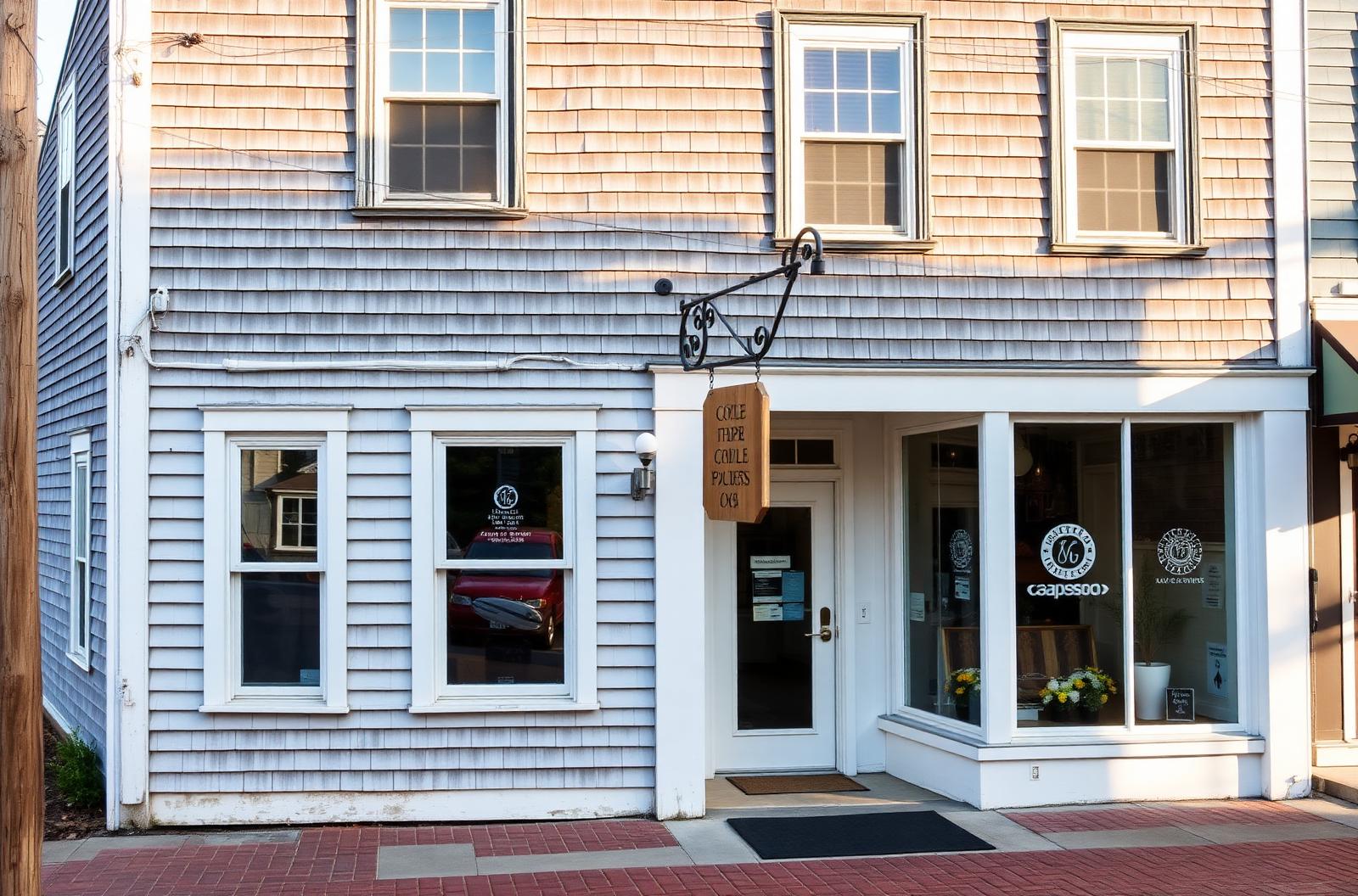
The economics of a Cape Cod commercial property are unlike anywhere else in Massachusetts. Seasonality drives revenue, zoning is parochial and town-specific, and the most desirable storefronts and parcels often sit inside historic districts with their own architectural review boards. We've spent decades helping local owners and operators navigate that environment.
We counsel waterfront restaurants, family-owned inns, professional office buildings, retail storefronts on Route 6A, and investors assembling rental portfolios across the towns. Our work covers acquisitions and dispositions, commercial lease negotiation and drafting, zoning and permitting strategy, easement and boundary disputes, and structuring 1031 like-kind exchanges to defer capital gains across multiple Cape properties.
We approach commercial deals the same way we approach a residential closing — with patience, candor, and a careful eye on the long-term relationship between you, your property, and your community.

Cape Cod property is unlike anywhere else.
Coastal property carries an entire body of law that buyers from off the Cape rarely encounter. Chapter 91 licensing governs filled tidelands and any structure built over the water. Wetlands protection acts — both the Massachusetts statute and individual town bylaws — regulate what can be built, planted, or even cleared within a hundred feet of a marsh, dune, or coastal bank. Title 5 dictates what septic system a property requires and when an upgrade is triggered by a transfer.
Add to that the historic districts in Yarmouth Port, Sandwich, Falmouth, and across the Cape, where exterior changes — even paint colors, fence heights, and window styles — require approval from a local commission. None of these layers are unmanageable. They simply require an attorney who has seen them many times before.
We've spent fifty years working through coastal compliance, historic district approvals, conservation commission filings, and Title 5 transfer issues. Whether you are inheriting a beach cottage or buying a parcel that has never been built on, we can tell you early what's possible, what's restricted, and what it will take to get there.


What it actually feels like to close with us.
A closing should not be the most stressful day of your transaction. By the time you sit down with us, every document on the table has been read, every figure on the settlement statement has been reconciled, and every open title issue has been addressed. If something needs your attention, you'll have heard about it days earlier — not for the first time at the table.
We answer our own phones. We return calls the same day, often within the hour. We explain things in plain English, not legalese, and we keep going until you genuinely understand what you're signing. That is what fifty years of small-town practice teaches you, and it is why so many of our clients are the children and grandchildren of people we represented decades ago.
Fifty years on Willow Street.
We know the Registry
Five decades of recording deeds, mortgages, and discharges at the Barnstable Registry of Deeds means we know its rhythms, its examiners, and its quirks.
We know the towns
Each Cape town has its own zoning, its own conservation commission, and its own historic standards. We've worked with every one of them.
We know the families
Real estate on Cape Cod is generational. We've often handled the original purchase, the refinance, and the eventual transfer to the next generation.

Let's discuss your Cape Cod property.
Whether you're buying your first cottage, selling a family home, or structuring a commercial transaction, we'd be glad to talk it through.